


New Mexico Dream Center provides consistent, reliable support that allows survivors of human trafficking to move forward with safety, stability, and dignity.
Through outreach, prevention, and long-term care, we support at-risk youth and survivors of human trafficking with the consistent resources needed to move toward stability and independence.

Human Trafficking in New Mexico
Human trafficking is happening in New Mexico, often in ways that are not immediately visible. It can involve force, fraud, or coercion and frequently targets individuals who are already vulnerable, including at-risk youth and those experiencing homelessness.
New Mexico’s location along major highways and transit routes makes it a corridor where trafficking can occur, but it also happens within local communities, neighborhoods, and online spaces.
Trafficking does not always look the way people expect. It can be connected to relationships, housing instability, or survival needs. Many victims are exploited by someone they know or trust.
We DREAM of a state where . . .

NO ONE IS FOR SALE

EVERY TEEN HAS A HOME

NO YOUNG PEOPLE ARE VULENERABLE

SURVIVORS CAN THRIVE

Who is most at risk?
Unhoused and Housing-Insecure Individuals
Youth and adults without stable housing face increased risk as basic needs like food, safety, and shelter become urgent. This includes unhoused youth, individuals experiencing housing instability, and those without a safe place to stay.
Individuals with Past Trauma or System Involvement
Those with a history of abuse, neglect, foster care, or involvement in unstable systems are often more vulnerable. Traffickers frequently exploit unmet emotional needs, disrupted trust, and lack of long-term support.
Youth and Young Adults Without Strong Support Systems
Young people without consistent guidance, family support, or trusted adults are at higher risk. Traffickers often position themselves as a source of stability, belonging, or opportunity.
Individuals Experiencing Social or Structural Vulnerabilities
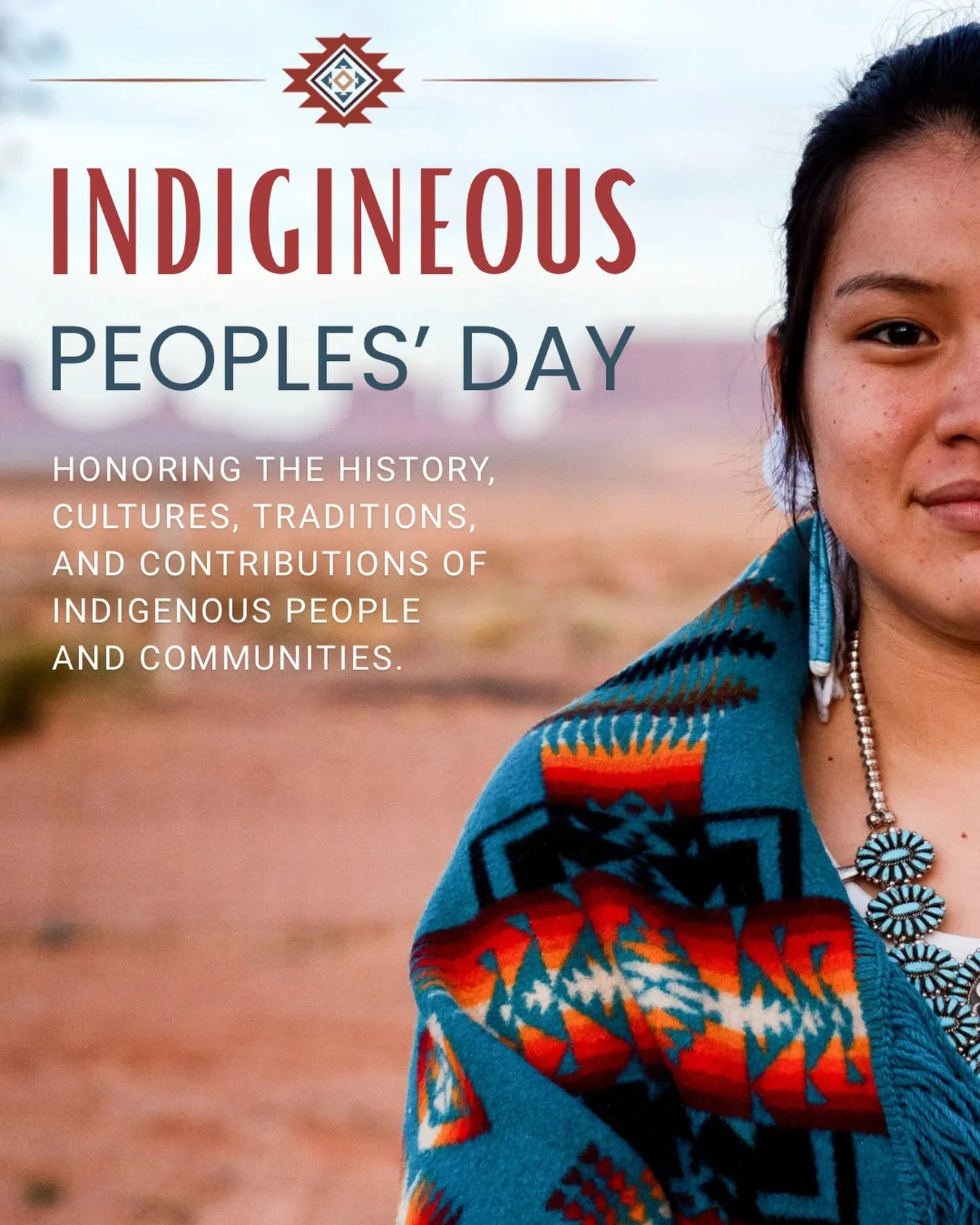
Certain groups face disproportionate risk due to systemic factors, including Indigenous women and girls, LGBTQ+ youth, and individuals impacted by language barriers or immigration status.
Individuals Facing Economic Hardship or Instability
Financial insecurity can lead individuals to situations where options feel limited. Traffickers exploit immediate needs like income, housing, or basic survival resources.
Individuals Experiencing Isolation, Dependency, or Exploitation by Trusted Individuals
Trafficking often involves manipulation by someone known to the victim. This can include situations involving substance dependency, isolation, or coercion within personal relationships.
Human Trafficking Myths vs. Realities
Myth
Human trafficking always involves physical force or violence.
Reality
Most trafficking relies on manipulation, coercion, or false promises, not force.
It often looks less like violence and more like control.
Myth
Trafficking victims are always kidnapped or physically unable to leave.
Reality
Many stay due to fear, lack of resources, or psychological control.
Leaving is often far more complicated than it appears.
Myth
Traffickers target strangers.
Reality
Many victims are exploited by someone they know, trust, or depend on.
Trafficking often begins inside a relationship.
Myth
Human trafficking requires moving someone across borders.
Reality
Trafficking can happen in someone’s own home or community.
Movement is not required for exploitation.
Myth
Only women and girls are victims of trafficking.
Reality
Men and boys are also victims, though they are less likely to be identified.
Trafficking impacts people across all demographics.
Myth
Human trafficking only involves commercial sex.
Reality
Trafficking also includes forced labor in industries like restaurants, construction, and agriculture.
Exploitation can take many forms.
Myth
This doesn’t happen in places like New Mexico.
Reality
Human trafficking exists in communities across New Mexico, often hidden in plain sight.
It’s closer than most people realize.
Myth
There’s nothing I can do to help.
Reality
Awareness, education, and recognizing the signs all play a role in prevention.
Understanding the issue is where change begins.

How New Mexico Dream Center Supports Survivors and Prevents Trafficking
The New Mexico Dream Center addresses human trafficking through both prevention and long-term support:
Outreach: Building relationships with at-risk youth and individuals in vulnerable environments
The Harbour: A drop-in center providing immediate resources and connection for youth
Spoken For Program: Aftercare services, including case management, transportation, and housing support
Eliza Jane House: A stability shelter for survivors of human trafficking
Education & Training: Equipping schools, agencies, and communities to recognize and respond to trafficking
By the Numbers
Every number represents a person, a story, and a step toward stability.
In 2025…

163
People served by New Mexico Dream Center
143
Days The Harbour (drop-in center for at-risk youth) was open in 2025.
373
Hours of outreach and education efforts helped raise awareness about trafficking across our community.
10K+
Services were provided to individuals & families across all NMDC programming.
Behind every number is someone rebuilding trust, finding support, and moving toward a safer future.

Get Involved with NM
Awareness is the first step. Action is what changes outcomes.
There are real, practical ways to make a difference. Whether you give your time, your resources, or your voice, your involvement helps create stability, safety, and opportunity for those who need it most.
Every Action Creates Stability
Consistent support allows us to respond immediately, plan ahead, and ensure no one is turned away when they’re ready for help.
-
Join the Evergreen Circle and provide reliable, monthly support that ensures services are always available when they’re needed.
-
Support immediate needs through one-time giving or by contributing to current funding priorities.
-
Purchase items from our Wish List or donate essential goods that are used daily in outreach and care.
-
Support outreach efforts, events, and programs that directly serve at-risk youth and survivors.
-
Partner with us as a community advocate or influencer to help raise awareness and expand our reach.
-
Organize a fundraiser, sponsor an event, or bring your network together to support this work in a meaningful way.
If You See Something, Do Something
If you suspect someone may be experiencing human trafficking, there are ways to report it and help connect them with support.
Download the Simply Report app to submit a report.
→National Human Trafficking Hotline
Call or text 1-888-373-7888
or visit humantraffickinghotline.org
→Federal Law Enforcement Tip Line
Your report could help someone take the first step toward safety.

Partners.